
The Secret to Stylish Open Shelves: Decorative Items That Create a Clean and Intentional Look
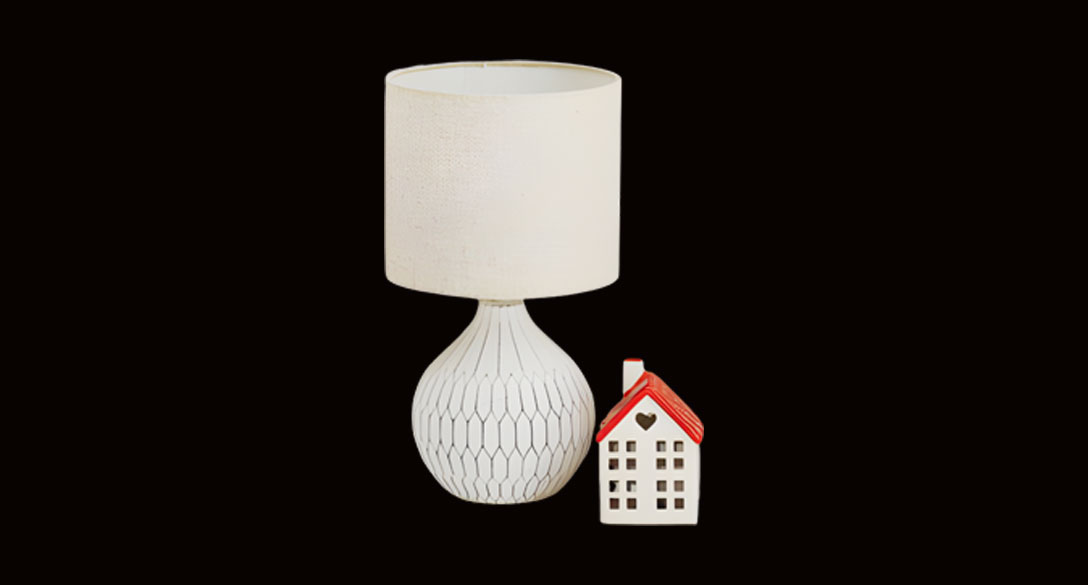
You can completely transform a room with open shelves. With these you get an opportunity of displaying your personality, adding visual interest, and making a space feel lighter and more inviting as well. Nevertheless, without thoughtful styling, open shelving can quickly shift from elegant to cluttered.
For many individuals, finding the balance between decorative and functional is a difficult task. When you fill the shelves with random objects, mismatched accessories, or overcrowded arrangements, your room tends to feel more disorganized, instead of refined. However, owning fewer items is not the solution here. Instead, you can select decorative pieces that helps in creating structure, balance, and visual flow.
You can make open shelves a part of your room’s overall design rather than simple storage areas, when styled intentionally. With decorative items, you can guide the eye, soften harsh lines, and create a curated appearance as well. Such an appearance feels calm and not chaotic at all.
Here’s a quick guide regarding how the right decorative accessories can make open shelves feel beautifully intentional and not messy.
Start With a Clear Styling Vision
You must be clear about the overall style direction of your room, even before you start adding decorative items to open shelves. When the items share a common visual language, shelves automatically start looking cleaner. Popular shelf-styling aesthetics include:
- Modern minimal
- Warm contemporary
- Rustic natural
- Scandinavian-inspired
- Industrial
- Boutique hotel style
You can prevent shelves from looking random with a clear theme. Instead of matching decorative items accurately, try ensuring that they feel connected through color, material, texture, or even shape.
Shelves automatically become visually overwhelming very quickly, when every object feels unrelated.
Decorative Trays Immediately Create Organization
When you group smaller objects together in decorative trays, it tends to feel intentional. This is one of the easiest ways to do so. Trays can help to:
- Define sections
- Reduce visual clutter
- Create structure
- Make collections feel purposeful
For instance, don’t simply scatter candles, beads, and small accessories across a shelf, instead, place them on a tray. This helps in immediately creating order. Such decorative trays can work appropriately with:
- Candles
- Diffusers
- Small vases
- Coasters
- Mini sculptures
A different visual effect is created by wood, marble, metal, and ceramic trays. This however, depends on the overall style of the room.
Use Books as Decorative Foundations
One highly effective shelf styling tool is books. Books naturally create height, layering, and balance as well. Stacked books can:
- Elevate smaller decorative objects
- Break up empty spaces
- Add structure to shelf arrangements
- Introduce subtle texture
You can create a cleaner and more sophisticated appearance than brightly colored paperbacks with neutral and hardcover books. When you place decorative items above books, you create a more intentional look, as it helps in creating depth and variation.
Without feeling crowded, books let shelves feel lived in.
Incorporate Decorative Objects with Different Heights
If you’re placing every item of the same size and shape in a shelf, it naturally tends to look flat. With variations in height, you can create movement and thus, ensure that your arrangement feels more dynamic. Examples include mixing:
- Tall vases
- Medium sculptures
- Small candles
- Framed artwork
- Short bowls
Your goal should be to create a natural visual rhythm across the shelves. Nevertheless, don’t forget that balance holds the key. When you’re placing too many tall objects together, the arrangement feels heavy. On the other hand, placing too many small objects together can result in visual clutter. When you combine different proportions together, your shelf will feel more thoughtfully styled.
Leave Empty Space Between Items
Are your trying to fill every available inch on your shelf? This is a massive mistake that is done by a majority of people. Negative space is an essential element. When there’re empty areas in your shelf, your decorative items get enough space to stand out and prevent the shelves from feeling visually crowded.
When you’re in a boutique-style interior, you’ll notice that such interiors rely heavily on spacing. This helps in creating a cleaner and a more refined atmosphere.
By leaving intentional gaps between different objects, it can help to:
- Highlight statement pieces
- Improve visual balance
- Reduce overwhelm
- Make shelves easier to style
The overall look improves significantly sometimes by removing a few items than adding a few new ones.
Add Natural Elements for Softness
Introduce freshness and softness to your shelves by adding decorative greenery. They moreover help in breaking hard materials such as wood, glass, or even metals. Some popular options here include:
- Small indoor plants
- Dried flowers
- Decorative branches
- Faux greenery
- Moss accents
Natural elements help shelves feel more relaxed and welcoming.
Even a single small plant can make shelf styling feel more complete because it introduces organic texture and movement.
For low-maintenance styling, high-quality artificial greenery can still provide the same visual effect.
Sculptural Decorative Pieces Create Focal Points
When there is no clear focal point, open shelves often look messy. You can anchor the arrangement visually with sculptural decorative items. Examples include:
- Abstract sculptures
- Artistic vases
- Curved ceramic objects
- Geometric décor accents
- Unique candle holders
Statement pieces naturally draw attention and help surrounding objects feel more organized.
Instead of filling shelves with many small decorations, adding one sculptural object per section often creates a more polished result.
Use Matching Storage Baskets or Boxes
Not everything displayed on open shelves needs to remain fully visible. Decorative storage solutions help hide everyday clutter while still contributing to the room’s design.
Decorative baskets and boxes work well for storing:
- Cables
- Papers
- Small accessories
- Remote controls
- Miscellaneous household items
Matching storage containers create consistency and help shelves feel cleaner immediately.
Woven baskets add warmth and texture, while structured boxes create a more modern appearance.
Functional storage can still look decorative when chosen thoughtfully.
Layer Artwork and Frames
Not every decorative item needs to stand upright in complete alignment. Leaning framed artwork or layered décor pieces help shelves feel more relaxed and curated.
This technique adds depth and dimension without overwhelming the space.
Ideas include:
- Leaning small framed prints
- Layering artwork behind decorative objects
- Mixing horizontal and vertical frames
- Pairing artwork with candles or vases
Layering creates a designer-inspired look that feels effortless rather than overly staged.
Maintain a Consistent Color Palette
Color consistency plays a major role in preventing shelves from looking chaotic.
Decorative items in coordinated tones create harmony even when the shapes and textures vary.
Popular shelf styling palettes include:
- White and beige
- Black and wood tones
- Earthy neutrals
- Soft greys
- Muted greens
This does not mean every item needs to match correctly. Instead, limiting the number of dominant colors helps shelves appear more cohesive.
Neutral palettes are especially effective because they allow texture and shape to become the focus.
Mix Textures for a More Interesting Display
Even minimal shelves can feel rich and layered when different textures are combined thoughtfully.
Decorative texture combinations may include:
- Smooth ceramics
- Woven baskets
- Matte metals
- Ribbed glass
- Natural wood
- Stone accents
Texture prevents shelves from feeling flat while still maintaining a clean appearance.
The key is balance. Too many highly textured items can feel overwhelming, while too many smooth surfaces may appear cold or lifeless.
Decorative Candles Add Warmth and Structure
Candles are versatile decorative pieces that work beautifully on open shelves.
They provide:
- Height variation
- Soft texture
- Visual warmth
- Layering opportunities
Candles can be styled individually or grouped together for a more dramatic effect.
Decorative candle holders also contribute additional shape and material contrast, especially when paired with books or trays.
Even unlit candles help make shelves feel styled and inviting.
Avoid Overstyling Every Shelf
One important principle in shelf styling is variation. Not every shelf needs the same level of decoration.
Some shelves may contain:
- Mainly books
- A single vase
- A storage basket
- One framed piece of art
Others may feature more layered arrangements.
This variation creates breathing room and keeps the shelving from feeling repetitive or crowded.
A shelf arrangement feels more natural when some areas are intentionally simpler than others.
Final Thoughts
Open shelves can either elevate a room beautifully or make it feel disorganized. The difference often comes down to thoughtful decorative styling rather than the number of items displayed.
Decorative trays, sculptural accents, layered books, greenery, textured accessories, and intentional spacing all contribute to shelves that feel curated and balanced.
The goal is not faultlessness. It is creating visual harmony through thoughtfully selected decorative items that add personality without overwhelming the space.
When styled with purpose, open shelves become more than storage. They become part of the room’s overall atmosphere, adding warmth, structure, and sophistication to everyday interiors.